Sardinia Is Lonely Planet's Only European Destination for 2026.
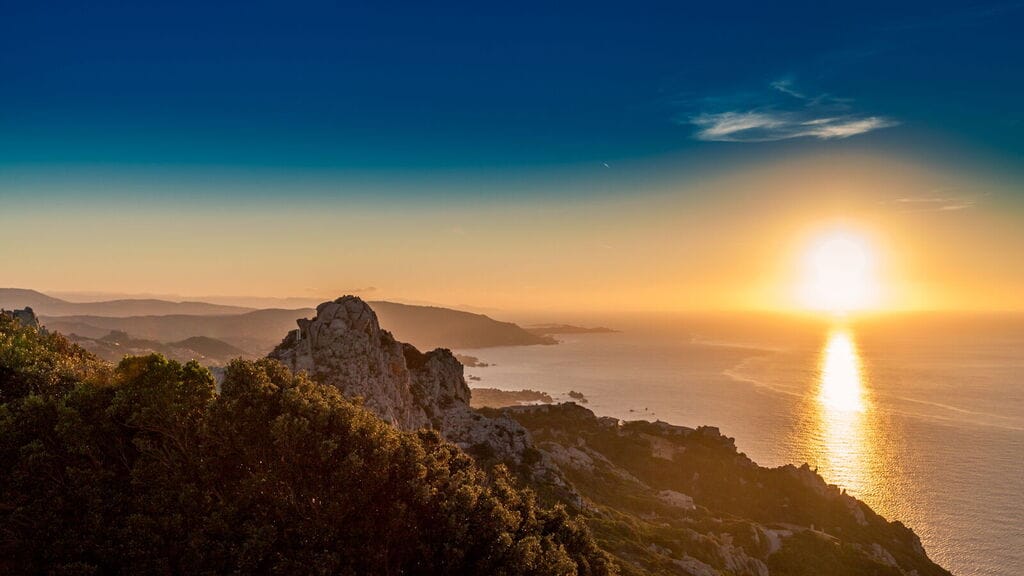
The world's most influential travel guide just named Sardinia the only European destination worth a special trip this year. Here's what the recognition means, why it happened, and what the island does with it.
Every October, Lonely Planet publishes its Best in Travel list — a global shortlist of destinations its editorial team considers the most worth visiting in the year ahead. Hotels rebook. Flight searches spike. The list carries real weight because it does not simply reward the most visited places. It identifies destinations that are doing something genuinely worth paying attention to right now.
In 2026, Sardinia is the only European region on the list.
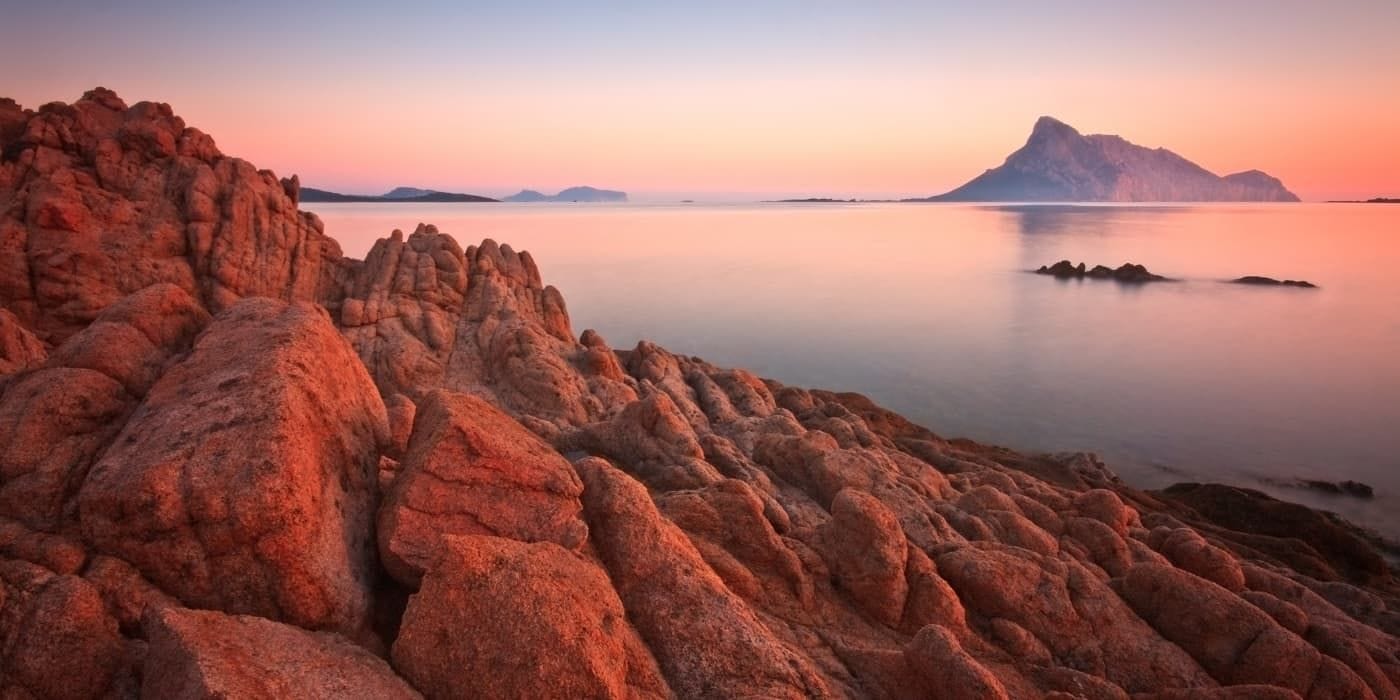
Out of twenty-five destinations selected from across the globe — alongside Botswana, Peru, and British Columbia — the island stands as Europe's sole representative. Lonely Planet's editorial team cited Sardinia's wild and ancestral landscapes, its archaeological treasures, its growing network of cycling and hiking routes, and its commitment to authentic, sustainable travel. For an island that has spent decades trying to be known for more than luxury beach resorts, this is a meaningful moment. The question is what happens next.
Why Now
The timing reflects a real convergence of developments, not a marketing campaign.
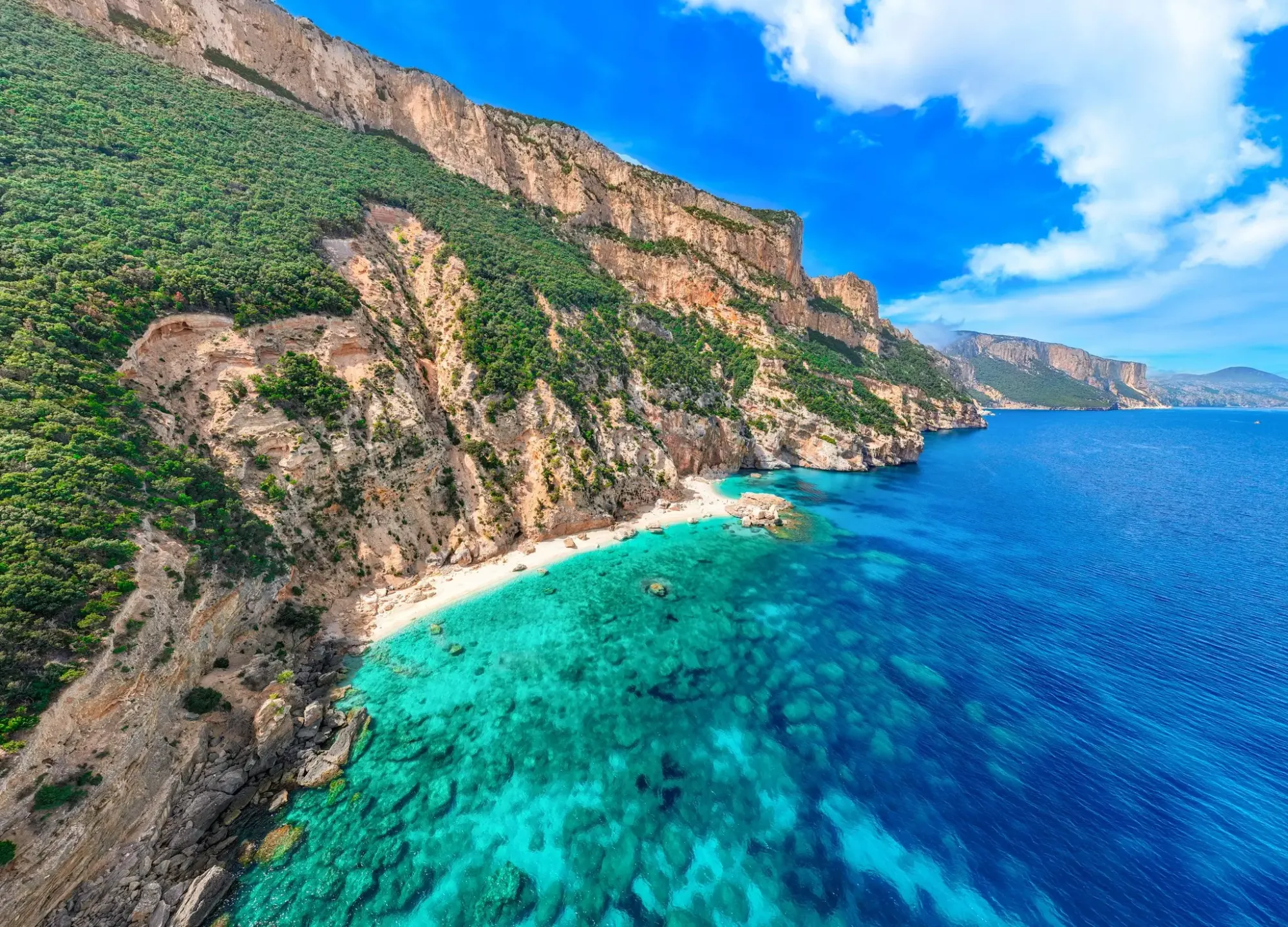
On July 12, 2025, the Domus de Janas — Sardinia's prehistoric rock-carved tombs, scattered across the island and dating back thousands of years — were added to the UNESCO World Heritage List, giving the island a new globally recognized archaeological credential to sit alongside its existing Nuragic sites like Su Nuraxi di Barumini. Cala Goloritzé, in the Gulf of Orosei, was named the best beach in the world in 2025. And serious investment has gone into extending the tourism calendar: the Salude & Trigu program in Northern Sardinia alone coordinates over 100 events across 77 municipalities, spread deliberately into shoulder months to draw visitors beyond the peak summer window.
Critically, Lonely Planet's recognition is explicitly not about the coastline. It points toward inland Sardinia — the Barbagia highlands, the villages of the Nuoro province, the landscapes and communities that most visitors have never seen. This is Sardinia beyond the postcard. And the world is finally looking at it.
A Spring That Delivers
For 2026 specifically, the recognition lands at a moment when the island has more to show than perhaps any recent year.
In May alone, Cagliari hosts the 370th Festa di Sant'Efisio — one of Europe's oldest religious processions, a four-day, 80-kilometre pilgrimage that has run without interruption since 1657 — and the Louis Vuitton 38th America's Cup Preliminary Regatta, the opening round of the world's oldest international sporting competition, racing in the Gulf of Angels from May 21 to 24. The Tutankhamun exhibition runs at the Bastion of Saint Remy through July 31st. Music festivals, archaeological tours, and hundreds of community events fill the calendar from spring through autumn.
Sardinia is not asking the world to take its word for it. There is something to show.
The Opportunity — and the Risk
The straightforward version of this story is good news: more visitors, more international profile, more economic opportunity for a region that has worked hard to earn this moment. That version is real.
But there is a more complicated version worth naming honestly. Sardinia's most accessible coastline already faces significant seasonal pressure — the most photogenic beaches saturate fast in July and August, and property prices in coastal municipalities have risen sharply as the island's profile grows. The infrastructure of inland and mountain communities, which is precisely where Lonely Planet is pointing, is still catching up with the cultural offer.
The risk is one that other destinations have lived through: recognition concentrates visitors in the most photographed spots, overwhelms fragile environments, and gradually erodes the authenticity that attracted people in the first place. Madeira, parts of Lisbon, parts of Barcelona — the pattern is familiar.
What Sardinia has working in its favor is planning that, at its best, takes this seriously. Spreading events and investment deliberately across dozens of municipalities, building visitor flows toward inland villages rather than coastal hotspots — this is the kind of structural response that can turn recognition into resilience. Whether it scales fast enough is the real question.
What This Means for Cagliari
For the city specifically, the Lonely Planet moment is both a validation and a prompt. Cagliari's richness — its medieval Castello district, its Phoenician necropolis of Tuvixeddu, its food culture at the Mercato di San Benedetto, its reinvented entrepreneurial scene — is not yet fully legible to the international visitor who arrives without a local guide.
The English-language information environment around Cagliari remains thinner than the city deserves. In a year when the world is paying attention, closing that gap is not a luxury. It is the most practical thing the city can do with the spotlight it has been handed.
The recognition belongs to the whole island. The response belongs to all of us.
Sources: Lonely Planet Best in Travel 2026; Sardegna Country (sardegnacountry.eu); Il Sole 24 ORE; Italy.news; Live in Sardinia (liveinsardinia.com); Club Esse Resorts; Visit Italy (visititaly.eu).